EU Eyes Further Crypto Restrictions in Russia Sanctions
The European Union is considering new measures that would prohibit transactions on eleven specific cryptocurrency platforms as part of its ongoing sanctions against Russia, aiming to curb evasion of existing financial restrictions.
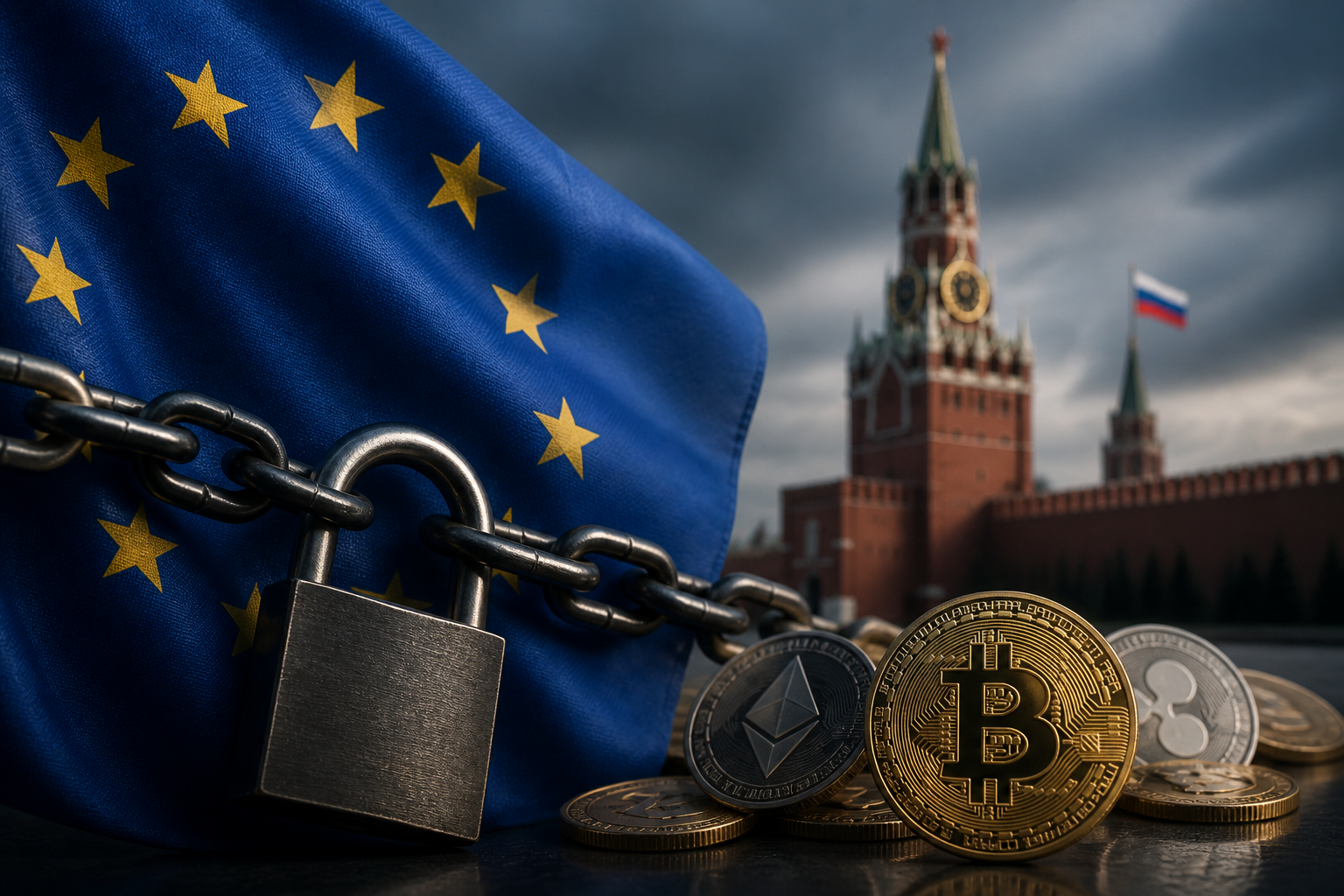
The European Union is reportedly preparing additional sanctions against Russia, including a proposed ban on transactions involving eleven distinct cryptocurrency platforms. These measures are designed to strengthen the existing financial restrictions and prevent their circumvention.
Broadening the Scope of Financial Penalties
This development comes as the EU seeks to close potential loopholes that could allow Russia to bypass international sanctions. The focus on digital asset platforms underscores a growing concern among international bodies regarding the use of cryptocurrencies in facilitating illicit financial activities or evading traditional economic controls. The proposed ban targets specific platforms, indicating a deliberate effort to pinpoint and disrupt particular avenues of digital finance.
Targeting Evasion Networks
Beyond the direct prohibition on certain crypto platforms, the new sanctions package is also expected to broaden the scope of restrictions against networks suspected of assisting Russia in evading current sanctions. This expanded focus suggests a multifaceted approach by the EU to dismantle systems and entities that contribute to the bypassing of economic penalties. The move highlights an evolving understanding of how digital and traditional financial infrastructures can be leveraged to circumvent international pressure.
The Role of Digital Assets in Sanctions Compliance
The ongoing conflict has brought the role of digital assets into sharper focus within the context of international sanctions. Governments and regulatory bodies worldwide have been scrutinizing cryptocurrency transactions for their potential use in money laundering, terrorist financing, and sanctions evasion. The EU's latest proposal can be seen as a direct response to these concerns, aiming to integrate digital asset networks more firmly into the global framework of financial regulation and compliance.
Implications for the Crypto Landscape
Should these proposals be adopted, they could have notable implications for the broader cryptocurrency ecosystem, particularly for platforms operating within the EU or those engaging with European entities. It could also set a precedent for how international bodies approach the regulation of digital assets in geopolitical contexts. The ongoing legislative efforts demonstrate a concerted push to ensure that the burgeoning digital finance sector adheres to established international norms and sanctions regimes.
International Efforts to Reinforce Sanctions
This initiative by the European Union is part of a wider international effort to reinforce sanctions against Russia following recent geopolitical events. Various nations and blocs have implemented successive rounds of economic penalties, targeting key sectors of the Russian economy, prominent individuals, and financial institutions. The inclusion of digital asset platforms reflects an adaptation of these sanction strategies to the evolving landscape of global finance, where cryptocurrencies play an increasingly significant role.
Source: EU proposes ban on 11 crypto platforms in Russia sanctions push — Cointelegraph. This article was rewritten by AI; please visit the original publisher for the source reporting.
Comments (0)
Sign in to leave a comment.