Anduril and Qualcomm Target 2027 Debut for Domestically Built Defense Laptop
Defense firm Anduril and semiconductor maker Qualcomm have partnered to produce a laptop built entirely in the United States, targeting a 2027 debut that meets federal Buy American thresholds.
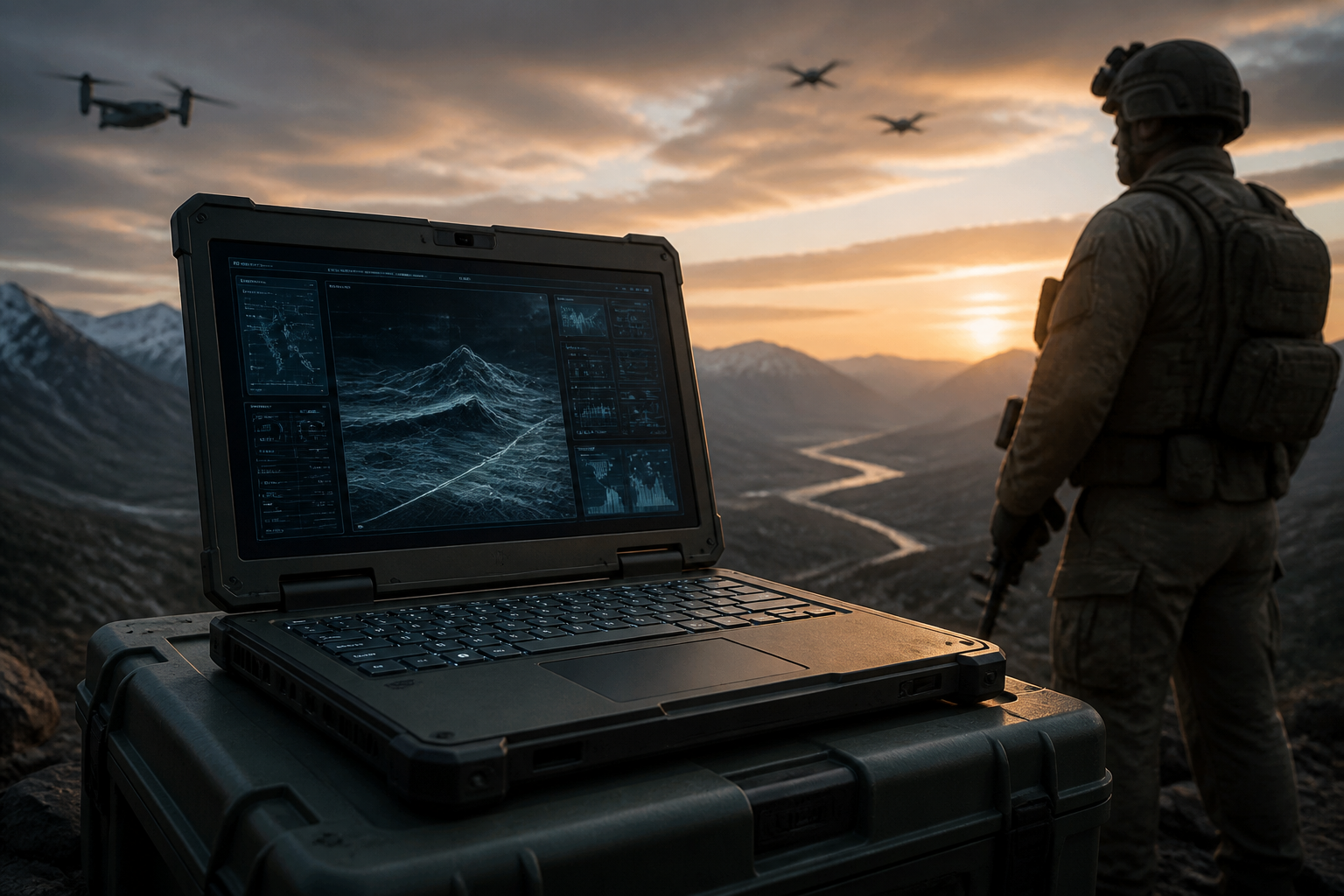
Defense technology company Anduril has teamed up with semiconductor designer Qualcomm to develop a personal computer built completely within the United States. Unveiled as part of a joint initiative, the primary device—dubbed the BlueChip laptop—is slated to debut in 2027 while complying with domestic procurement benchmarks set by federal regulations.
The partnership represents an ambitious effort to counter decades of offshoring across the consumer electronics sector, with both firms outlining an ultimate objective of fostering a comprehensive, nationwide manufacturing ecosystem for computing hardware.
Meeting Federal Sourcing Mandates
A central element of the BlueChip rollout is compliance with the Buy American Act. Federal guidelines require goods sold to government agencies to feature a substantial proportion of domestically produced parts and assembly.
Key details of the production plan include:
- Procurement Thresholds: Anduril confirmed the device will meet or exceed federal domestic content requirements when it launches. Under current standards, such items generally must derive at least 65 percent of their component value domestically.
- Target Audience: The laptop is being designed primarily with defense personnel, government agencies, and related national security contractors in mind.
- Component Sourcing: Developing a compliant platform requires shifting critical electronics—ranging from motherboards to processors—to facilities operating inside American borders.
Achieving complete domestic independence remains a complex hurdle. While consumer electronics assembly takes place across multiple international hubs, modern personal computers rely heavily on specialized parts produced almost exclusively in East Asia, including advanced display panels, specialized passive electronics, and high-density memory chips.
Overcoming Supply Chain Hurdles
The modern computing supply network is notoriously dispersed. While United States companies design many of the world's leading microprocessors, fabrication and physical packaging typically rely on foundries and assembly facilities located overseas.
Under the arrangement, Qualcomm will contribute processing silicon to power the hardware, while Anduril oversees design integration, security protocols, and final assembly logistics. Both companies are banking on recent federal incentives aimed at bolstering national microchip production to help close persistent supply chain gaps ahead of the 2027 release window.
Industry observers note that launching even a single fully domestic model poses steep cost and logistical challenges. However, rising geopolitical friction and mounting concerns over cyber vulnerabilities embedded in foreign-manufactured tech have accelerated government interest in secure, verifiable domestic supply pipelines. Whether the BlueChip project can expand beyond specialized military contracts into broader enterprise markets will depend largely on how quickly local component infrastructure can scale over the next several years.
Source: Anduril now says its BlueChip laptop will meet Buy American standards at launch — The Verge. This article was rewritten by AI; please visit the original publisher for the source reporting.
Comments (0)
Sign in to leave a comment.