Anthropic Proposes AI Safety Bill Requiring Court Approval for Federal Intervention
Anthropic has proposed a federal AI governance framework that sets catastrophic harm thresholds for intervening against dangerous models while requiring regulators to obtain judicial approval before halting releases.
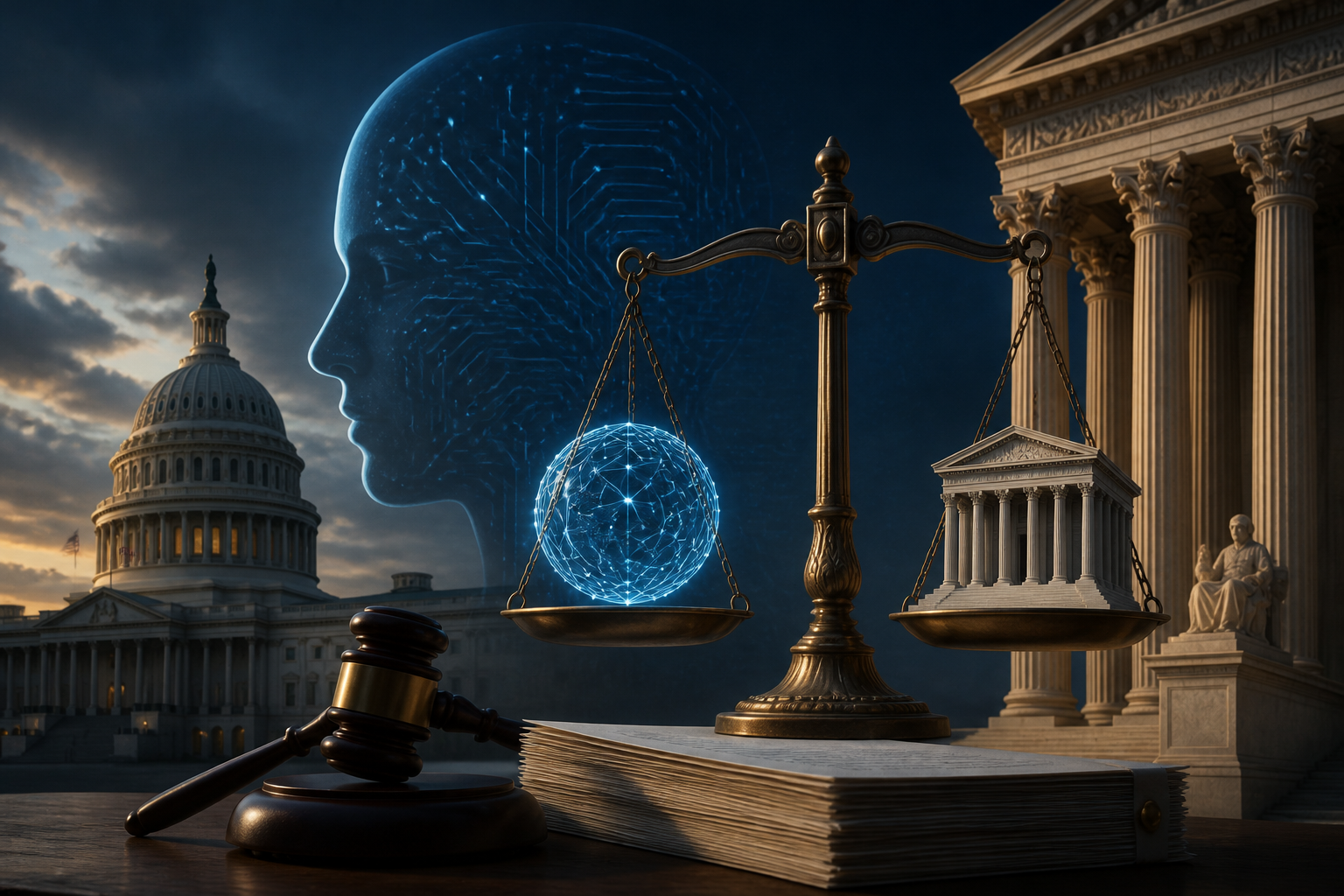
Artificial intelligence developer Anthropic has introduced a legislative proposal intended to establish federal safety guardrails for cutting-edge AI systems. Under the suggested framework, authorities would face specific thresholds and judicial hurdles before halting the launch or training of high-risk frontier models.
The proposed policy outlines severe real-world harm thresholds—including scenarios where an AI deployment presents a credible risk of causing 50 or more deaths—as a trigger for regulatory scrutiny. However, rather than granting government agencies sweeping authority to independently preempt deployments, the framework incorporates strict legal checks.
Key Provisions of the Proposed Framework
The legislative draft sets boundaries on how government regulators can intervene in the development cycle of advanced computing architectures:
- Mass-Casualty Thresholds: Intervention triggers focus on catastrophic outcomes, such as plausible biological, chemical, or cyber threats resulting in mass fatalities.
- Judicial Oversight Required: Federal oversight bodies would be barred from unilaterally prohibiting model training runs or market launches. Instead, regulators would need to secure an injunction from a federal judge.
- Burden of Proof: Enforcing authorities would have to demonstrate to a court that a developer's safeguards are inadequate and that an imminent, severe threat exists.
Regulatory Balance and Industry Reactions
The draft comes amid an ongoing debate in Washington and state legislatures regarding how strictly to oversee advanced foundational models without chilling domestic technological progress.
Supporters of Anthropic's approach argue that mandating court approval prevents regulatory overreach, shielding developers from arbitrary political interference or subjective enforcement. By anchoring prohibitions to severe, quantifiable damages, the measure aims to set clear legal standards for both software creators and watchdogs.
Conversely, critics and some safety advocates contend that requiring a judge’s sign-off creates a significant bottleneck. Proving that an opaque neural network presents an imminent mass-casualty hazard can be technically challenging before a system is released into the wild. Slower legal proceedings, opponents argue, could leave the public exposed to rapid, unforeseen risks if a dangerous model is deployed before a court can intervene.
The Broader AI Governance Landscape
Legislators in both the United States and international jurisdictions have struggled to craft rules that address catastrophic safety risks while supporting software development. Several legislative measures, such as proposed safety frameworks in California and the European Union’s AI Act, have attempted to categorize systems based on compute thresholds and potential systemic impact.
Anthropic's proposal reflects a broader push by major AI firms to directly shape future federal guidelines, steering statutory standards toward risk-based interventions rather than blanket licensing regimes or direct administrative vetos. As congressional committees evaluate future AI governance statutes, the proposal is expected to serve as a benchmark for discussions around legal accountability and administrative authority.
Source: Anthropic pitches AI safety bill that may block a model if 50+ people could be killed — TechCrunch. This article was rewritten by AI; please visit the original publisher for the source reporting.
Comments (0)
Sign in to leave a comment.