Class Action Lawsuit Targets Amazon over Ring Facial Recognition
A class action lawsuit has been filed against Amazon regarding its Ring "Familiar Faces" feature, alleging unauthorized storage of individuals' images.
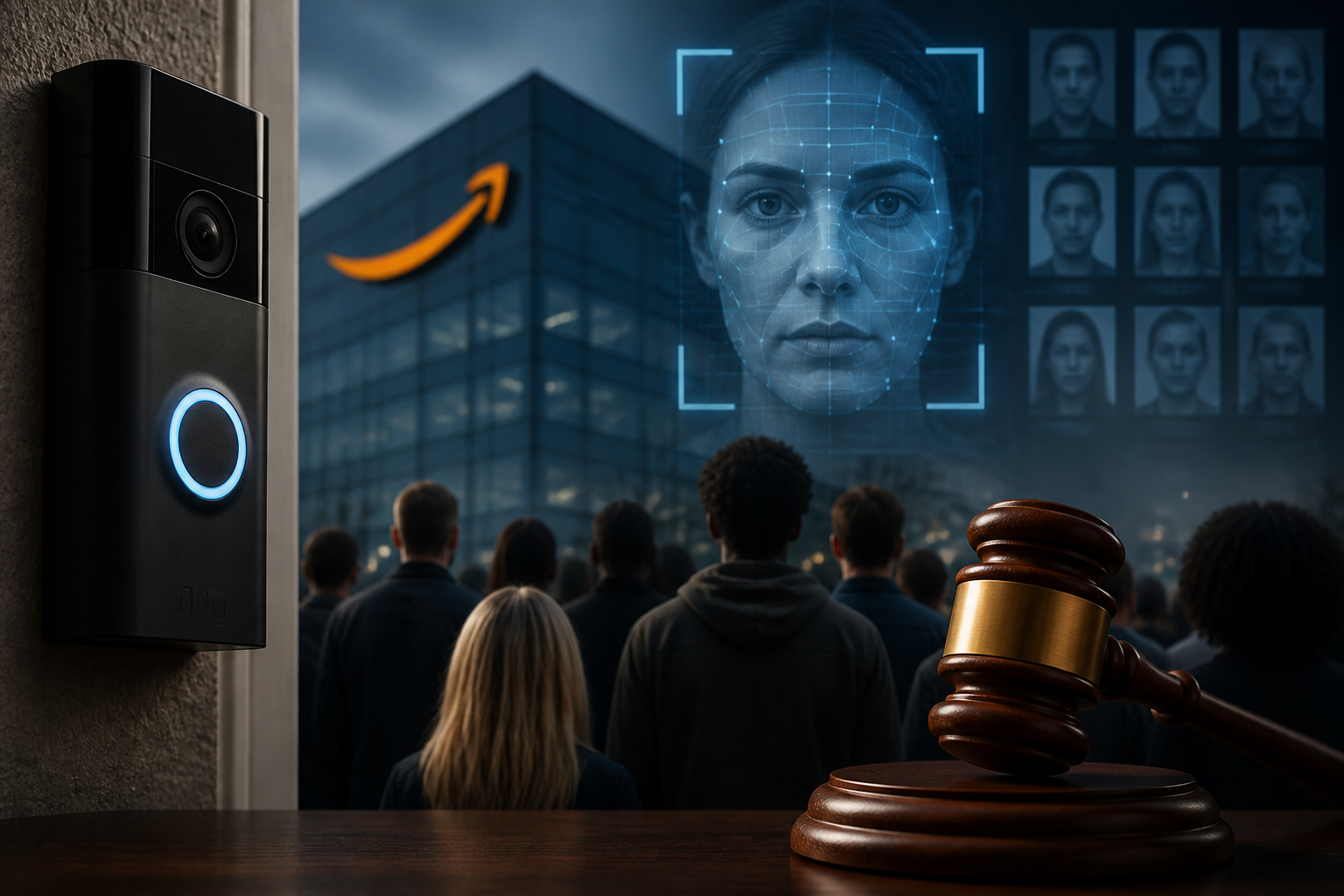
A class action lawsuit has been initiated against Amazon, centering on its Ring "Familiar Faces" facial recognition technology. The legal action, filed in Seattle, claims that the feature used in Ring's smart doorbell and security cameras collects and stores images of individuals without their explicit consent.
The plaintiff in this case is Charles Sigwalt, a resident of Virginia. The core of the complaint revolves around the assertion that Ring users, through the "Familiar Faces" function, are enabled to compile a database of faces identified as "familiar." This database is then reportedly used to categorize individuals captured by the devices, distinguishing between recognized individuals and strangers.
The lawsuit argues that this process, by its nature, involves the capture and retention of biometric data from anyone who comes within the camera's view, including individuals who are not Ring customers and have not consented to such data collection. The legal challenge highlights concerns about privacy implications stemming from the widespread deployment of such technology in residential settings.
Data Collection and Privacy Concerns
The implementation of facial recognition technology in consumer devices like Ring cameras has prompted ongoing discussions about personal privacy and data security. Critics of these systems often point to the potential for mass surveillance and the accumulation of vast amounts of biometric data without adequate oversight or individual authorization. The "Familiar Faces" feature specifically allows users to create a list of known individuals, and the system then utilizes facial recognition algorithms to identify these people in real-time video feeds.
Legal Precedents and Future Implications
This lawsuit adds to a growing number of legal challenges faced by technology companies concerning biometric data collection. Previous cases have established precedents regarding the unauthorized capture and use of unique physiological characteristics, such as fingerprints and facial scans. The outcome of this particular class action could have significant implications for how smart home security devices operate and how companies manage biometric data collected from individuals, particularly those who are not direct users of the service.
The Scope of "Familiar Faces"
The "Familiar Faces" feature is designed to enhance the utility of Ring devices by allowing them to differentiate between expected visitors and unknown individuals, potentially reducing false alarms and providing more relevant notifications to users. However, the legal complaint focuses on the underlying mechanism of this feature, which necessitates the processing and storage of facial data. The lawsuit contends that this data collection extends beyond the immediate user, encompassing members of the public who may inadvertently be recorded by these devices as they pass by private residences. This raises questions about the definition of consent in the context of publicly accessible areas monitored by privately owned surveillance technology, particularly when biometric information is being cataloged.
The legal proceedings will likely scrutinize the precise methods of data acquisition, storage protocols, and the extent to which Amazon informs and obtains consent from individuals whose images are processed by the "Familiar Faces" system. The resolution of this case could influence regulatory frameworks and consumer privacy expectations regarding advanced home security technologies moving forward.
Source: Amazon faces class action lawsuit over Ring facial recognition feature — TechCrunch. This article was rewritten by AI; please visit the original publisher for the source reporting.
Comments (0)
Sign in to leave a comment.