Congressional Concerns Mount Over Cryptocurrency in Retirement Plans
Lawmakers express apprehension regarding the inclusion of digital assets in 401(k)s, citing volatility and regulatory gaps as potential risks to retirement savings.
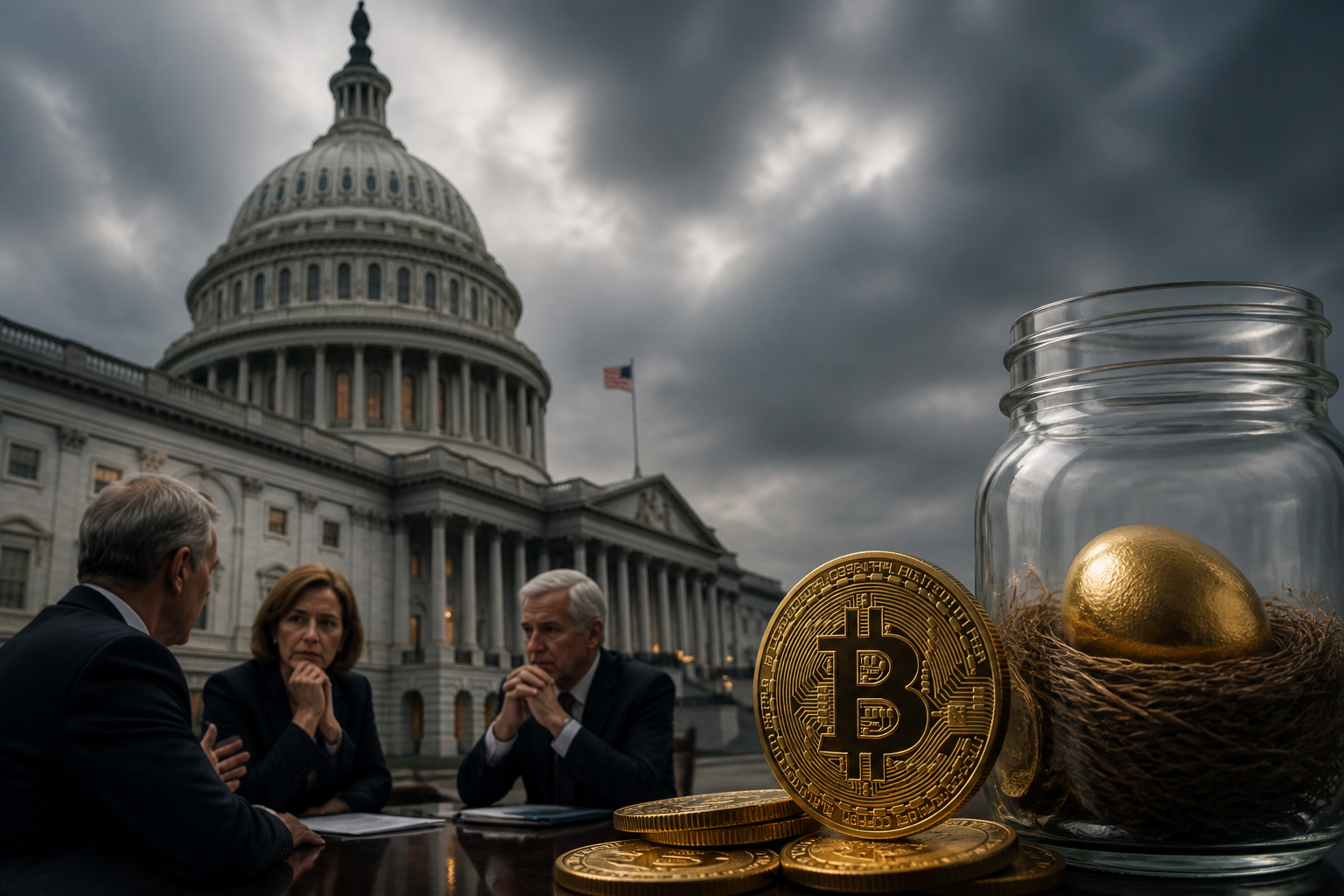
A trio of U.S. congressional representatives has voiced significant apprehension regarding the potential integration of cryptocurrencies within 401(k) retirement plans. Their concerns, articulated in a recent statement, primarily center on the inherent volatility of digital assets and what they perceive as an insufficient regulatory framework, potentially exposing American retirement savings to undue risk.
The lawmakers underscored that the current landscape surrounding digital currencies lacks the established safeguards prevalent in traditional financial markets. This absence of robust regulation, they argue, could leave investors vulnerable to rapid and substantial losses, a situation particularly precarious when dealing with essential retirement funds.
Volatility and Investor Protection
The price fluctuations characteristic of the cryptocurrency market are a central point of contention for these congressional members. They highlight the susceptibility of digital assets to sudden and dramatic shifts in value, which could have a detrimental impact on the long-term stability and growth of retirement portfolios. For many, 401(k)s represent a primary vehicle for securing their financial future, and the introduction of highly volatile assets is seen as a move that could undermine this foundational financial security.
Regulatory Landscape Deficiencies
Beyond volatility, the legislative body's scrutiny extends to the existing regulatory environment for digital assets. They contend that the current framework does not adequately protect individual investors from potential fraud, manipulation, or operational failures within the crypto ecosystem. The comparison is often drawn to the stricter oversight applied to conventional investment vehicles, where layers of regulation are designed to ensure transparency, accountability, and investor recourse. The lawmakers suggest that without comparable protections, the move to incorporate cryptocurrencies into retirement plans may be premature and ill-advised.
Implications for Retirement Savers
The core of the congressional pushback stems from a desire to shield everyday Americans from what they view as untested and potentially hazardous investment options within their retirement accounts. The emphasis is on maintaining the integrity and security of these critical savings. While proponents of digital asset integration often cite diversification and potential high returns, these lawmakers prioritize stability and protection for a financial asset class that is intrinsically linked to future well-being.
Policy Considerations
The concerns raised by these members of Congress are likely to factor into ongoing discussions and policy decisions regarding the future of digital assets in mainstream finance. The Department of Labor's previous indications about potentially allowing cryptocurrency options in 401(k) plans have evidently spurred this legislative reaction. This signals a continued debate within governmental circles about how to best balance innovation in financial markets with the imperative to protect consumers, particularly in sensitive areas like retirement planning.
Ultimately, the dialogue highlights a broader challenge: how to responsibly integrate emerging financial technologies into established systems while mitigating risks for the general public. The lawmakers' stance serves as a reminder that significant hurdles, particularly concerning investor protection and regulatory clarity, remain before digital assets are widely embraced in foundational financial products such as 401(k)s.
Source: US lawmakers push back on Labor Department plans to include crypto in 401(k)s — Cointelegraph. This article was rewritten by AI; please visit the original publisher for the source reporting.
Comments (0)
Sign in to leave a comment.