EV Truck Battery Technology Evolves Amidst Shifting Industry Priorities
The electric vehicle market is witnessing dynamic shifts in battery technology, particularly evident in the choices made by manufacturers focused on affordable EV trucks. This evolution isn't merely a spur-of-the-moment decision but rather the culmination of years of technological advancements and strategic considerations within the industry.
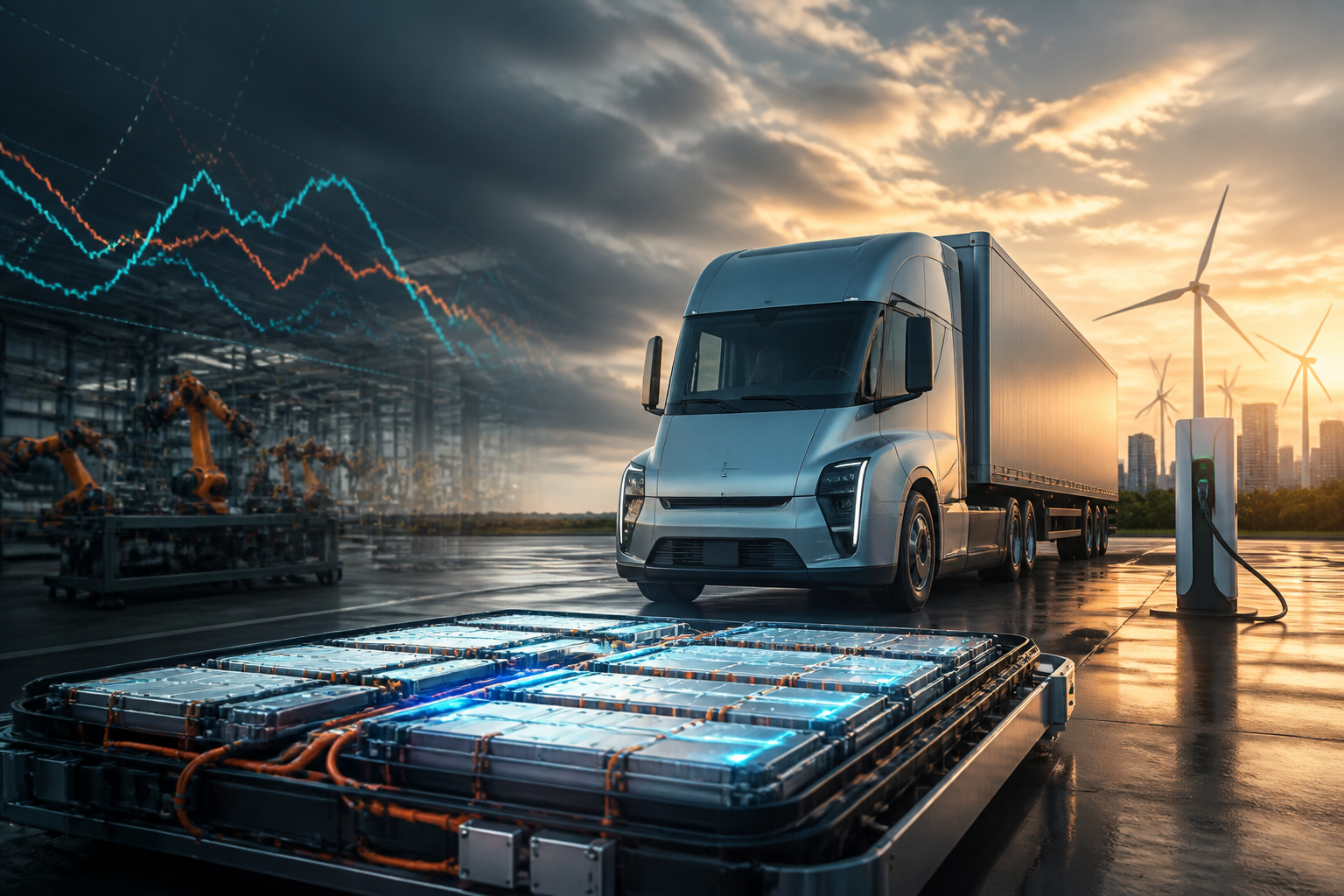
The electric vehicle (EV) sector is experiencing a significant evolution in battery technology, influencing design and production decisions for various manufacturers. This transformation is particularly notable among companies developing more accessible EV trucks, where the selection of battery chemistry plays a critical role in balancing performance, cost, and availability.
The Evolving Landscape of EV Batteries
For an extended period, the dominant battery chemistry in many electric vehicles, especially high-performance models, has been nickel-manganese-cobalt (NMC). This type of battery is known for its high energy density, allowing vehicles to achieve longer ranges on a single charge. However, NMC batteries also present challenges, including higher material costs and concerns regarding the ethical sourcing and supply chain stability of certain components, such as cobalt.
Recently, there has been a noticeable shift towards lithium iron phosphate (LFP) batteries, particularly in segments where cost-effectiveness and durability are paramount. LFP batteries offer several advantages. They are generally more affordable to produce due to the lower cost of materials compared to NMC. Furthermore, LFP cells are often lauded for their enhanced safety profile and longer cycle life, meaning they can withstand more charge and discharge cycles over their lifespan without significant degradation. While LFP batteries typically have a lower energy density than NMC, improvements in cell design and packaging are steadily narrowing this gap, making them increasingly viable for a broader range of EV applications, including light-duty trucks.
Strategic Considerations for EV Manufacturers
The decision to adopt a specific battery technology is a complex one for any EV manufacturer, involving an intricate balance of various factors. These include production costs, the desired performance characteristics of the vehicle (such as range and charging speed), supply chain resilience, and long-term sustainability goals.
For companies aiming to introduce more budget-friendly EV options, the economic advantages of LFP batteries can be a compelling factor. Reducing the cost of the battery, which is often the most expensive single component in an EV, can significantly impact the final retail price of the vehicle, making it accessible to a wider consumer base. This strategy aligns with the broader industry goal of accelerating EV adoption by addressing price sensitivity.
Beyond cost, the stability and availability of raw materials are crucial. The supply chains for certain battery components have faced volatility, prompting manufacturers to explore alternatives that offer greater security. LFP batteries, by reducing or eliminating reliance on materials like cobalt, can offer a more robust supply chain and mitigate geopolitical risks associated with material sourcing.
Impact on the EV Truck Market
The shift towards LFP batteries is having a tangible impact on the nascent electric truck market. Affordable EV trucks are positioned to cater to a diverse clientele, from small businesses and contractors to individual consumers seeking practical electric utility vehicles. By leveraging LFP technology, manufacturers can potentially offer models that are not only environmentally friendly but also economically competitive with traditional internal combustion engine trucks.
This strategic pivot reflects a maturing industry where technology choices are increasingly driven by a holistic view of product development, market demand, and global supply chain dynamics. As battery technology continues to advance, further innovations are expected to shape the future of electric mobility, making EVs more efficient, affordable, and widely available.
Source: Here’s why Slate changed the battery in its cheap EV truck — TechCrunch. This article was rewritten by AI; please visit the original publisher for the source reporting.
Comments (0)
Sign in to leave a comment.