Flipkart Prepares Food Delivery Service to Challenge Indian Market Incumbents
Flipkart has widened internal testing of its upcoming food delivery platform to thousands of staff, signaling an impending challenge to India's Zomato and Swiggy duopoly.
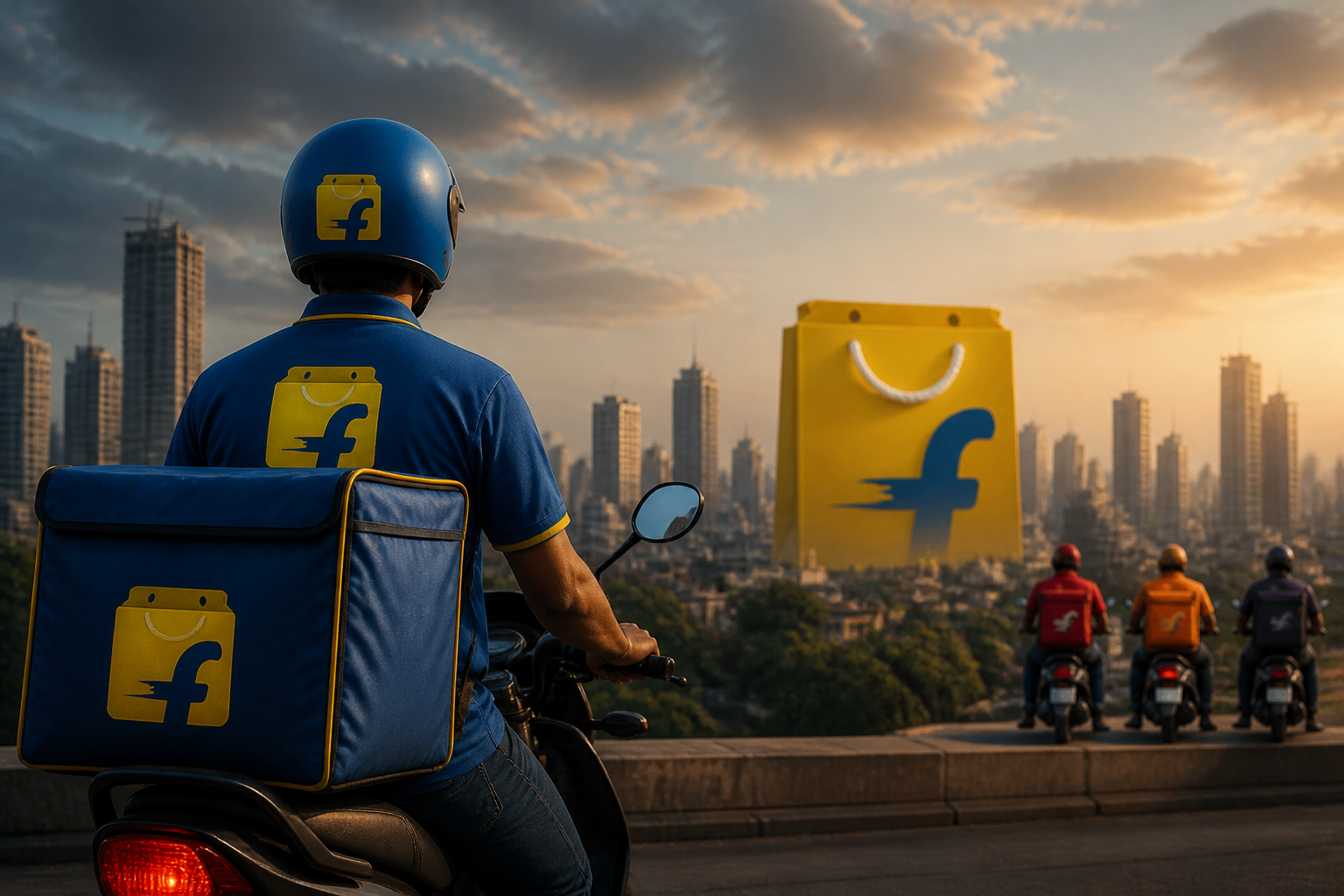
Walmart-backed e-commerce major Flipkart is preparing to disrupt India’s food delivery landscape. The retail conglomerate has expanded internal testing of its forthcoming food delivery platform to thousands of corporate staff, signaling that a commercial rollout may be imminent.
The move marks an aggressive expansion into everyday consumer services for Flipkart, placing it on a direct collision course with entrenched market leaders Swiggy and Zomato.
Deepening the Battle for Quick Commerce and Everyday Services
India’s food delivery and quick-delivery ecosystems have experienced intense growth alongside consolidation over the past several years. Zomato and Swiggy currently operate as an effective duopoly, controlling the vast majority of online restaurant orders nationwide.
Flipkart's push into prepared meals represents an extension of its broader strategy to capture frequent, high-engagement consumer touchpoints. Key dynamics surrounding this move include:
- Ecosystem Integration: Flipkart already commands hundreds of millions of registered users across retail, payments, and quick commerce. Adding food delivery allows the platform to build an integrated super-app experience.
- Supply Chain and Fleet Utilization: By entering on-demand food logistics, the company can potentially optimize its existing delivery fleets across multiple order types throughout off-peak retail hours.
- Intense Competition: Entering food delivery requires substantial capital expenditure on restaurant onboarding, merchant commissions, and customer acquisition incentives.
Testing Across Internal Networks
Before rolling out the feature to the wider public, Flipkart is utilizing its substantial workforce as a live testbed. Company-wide internal trials typically allow tech platforms to evaluate several operational metrics:
- Routing and Delivery Efficiency: Calibrating dispatch algorithms to ensure meal temperatures and delivery timeframes meet consumer expectations.
- Merchant Software Reliability: Testing point-of-sale integrations and order acceptance interfaces across partner restaurants.
- App Architecture Stress Testing: Gauging how the core Flipkart platform handles concurrent spikes in restaurant orders during typical lunch and dinner rush periods.
While Flipkart has not yet published an official launch timeline or pricing structure, the scale of the pilot indicates that the technological infrastructure is nearing operational readiness.
Broader Industry Implications
The Indian consumer tech sector is currently seeing blurred boundaries between general e-commerce, grocery fulfillment, and prepared meals. Quick-commerce operators such as Zepto and Blinkit (owned by Zomato) have begun expanding their catalogs to include electronics, beauty products, and household goods—areas that historically served as Flipkart’s primary revenue drivers.
By venturing into restaurant delivery, Flipkart is effectively mounting a counter-offensive. Backed by Walmart’s deep balance sheet, the e-commerce heavyweight has the financial runway to sustain long-term competition in low-margin, high-frequency categories. Whether Flipkart can entice diners away from established loyalty programs remains to be seen as the service approaches its broader market debut.
Source: Walmart’s Flipkart is quietly building a food delivery challenger in India — TechCrunch. This article was rewritten by AI; please visit the original publisher for the source reporting.
Comments (0)
Sign in to leave a comment.