Hardware Wallet Users Alerted to Phishing Scams
Two major hardware wallet providers, Trezor and BitBox, have issued warnings to their users regarding ongoing phishing attempts. The incidents stem from compromises affecting third-party service providers.
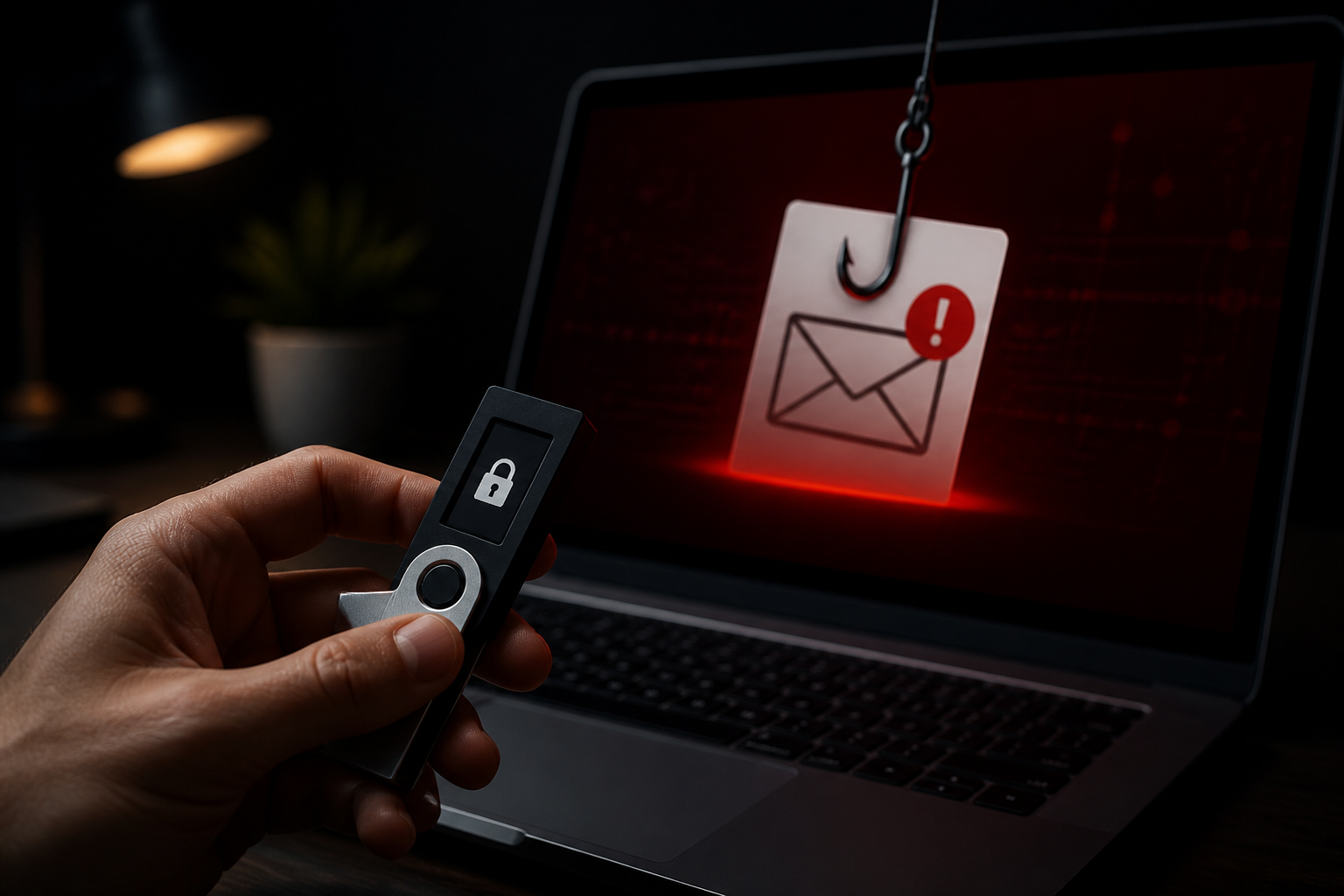
Two prominent providers of cryptocurrency hardware wallets, Trezor and BitBox, have recently issued advisories to their user bases concerning sophisticated phishing campaigns. These warnings highlight a critical security vulnerability potentially impacting individuals who store digital assets on such devices.
Email Service Compromises
BitBox, a Swiss-based hardware wallet manufacturer, indicated that a range of Bitcoin-focused enterprises might have been targeted through a common newsletter distribution platform. This suggests a potential supply chain attack affecting various entities within the cryptocurrency ecosystem.
Separately, Trezor, a well-known Czech Republic-based hardware wallet company, confirmed that its email service provider experienced a security breach. This compromise could expose user email addresses to malicious actors, enabling targeted phishing attacks.
The Nature of the Threat
These phishing attempts typically involve deceptive emails designed to mimic official communications from wallet providers. The goal is to trick users into divulging sensitive information, such as recovery phrases (seed phrases) or private keys, which would grant attackers unauthorized access to their cryptocurrency holdings.
Users are often directed to fraudulent websites that appear legitimate but are controlled by attackers. On these fake sites, individuals might be prompted to enter their wallet credentials or seed phrases under the guise of security checks, software updates, or account verification.
Protecting Digital Assets
Both companies emphasize the importance of vigilance and recommend several security practices to safeguard digital assets:
- Verify Sender Authenticity: Always scrutinize the sender's email address and look for any discrepancies. Phishing emails often come from addresses that are subtly different from official ones.
- Avoid Clicking Suspicious Links: Refrain from clicking on links embedded in emails, especially if they request sensitive information. Instead, manually type the official website address into your browser.
- Never Share Recovery Phrases: Hardware wallet providers will never ask for your recovery phrase, private keys, or passwords via email or any other unsolicited communication. This information should always remain offline and known only to the user.
- Enable Two-Factor Authentication (2FA): Where available, activate 2FA on all cryptocurrency-related accounts to add an extra layer of security.
- Stay Informed: Regularly check the official communication channels of your hardware wallet provider for the latest security advisories and updates.
These incidents underscore the persistent threat of social engineering and the need for continuous user education in the rapidly evolving landscape of digital asset security. While hardware wallets provide robust offline protection for cryptocurrencies, the human element remains a critical vulnerability that attackers frequently exploit through phishing and similar tactics.
Source: Trezor, BitBox warn users about fake hardware wallet security alerts — Cointelegraph. This article was rewritten by AI; please visit the original publisher for the source reporting.
Comments (0)
Sign in to leave a comment.