Intel’s Next-Gen Handheld Processor: A Potential Comeback?
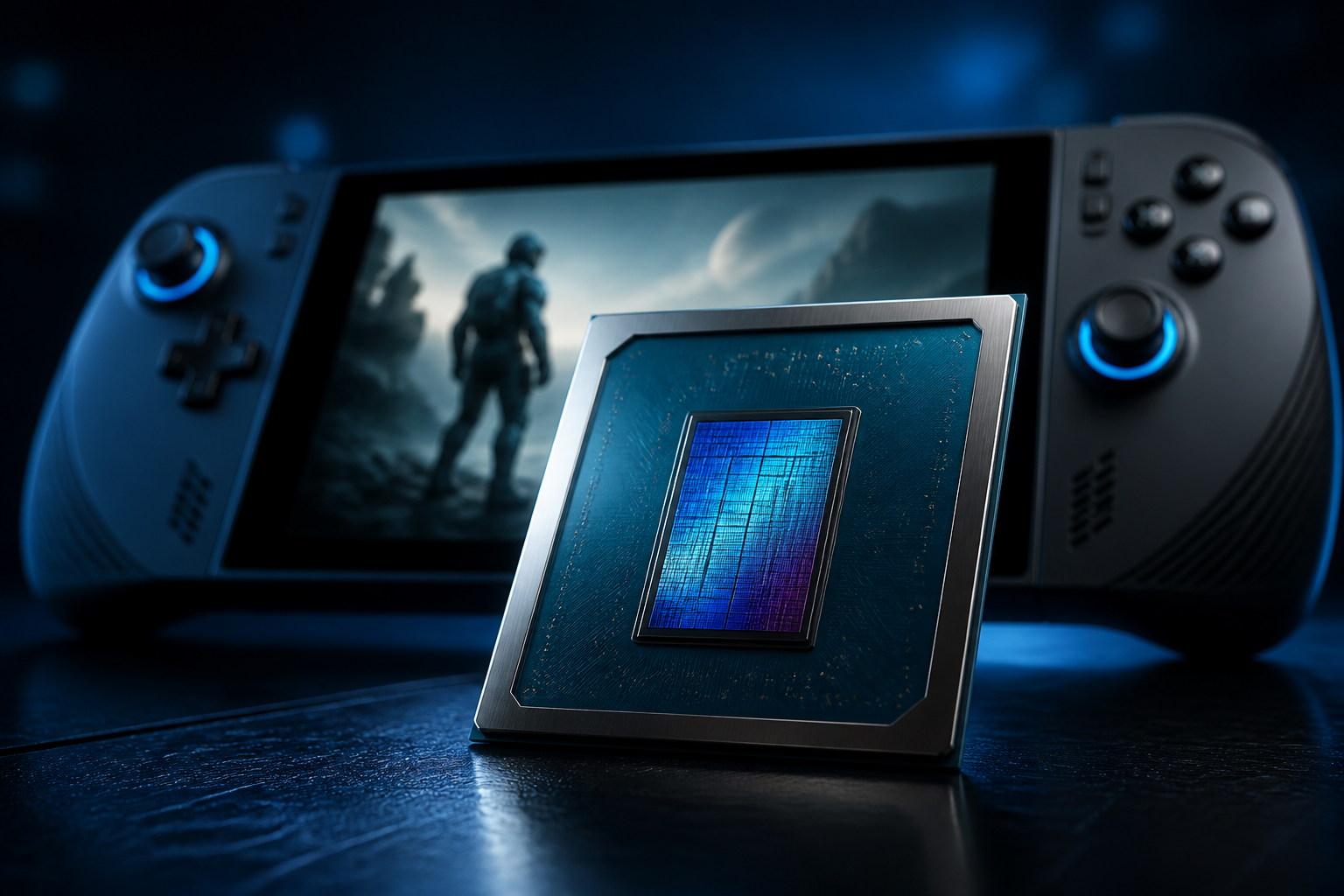
Intel, facing numerous challenges in various market segments, may be looking to turn the tide with its new Panther Lake-based processor for handheld gaming devices. Thisチップ, built on the advanced 18A process, aims to offer significant performance improvements and could represent a crucial step in the company’s efforts to regain market share and credibility in the gaming and mobile sectors.
Intel, a long-standing titan in the semiconductor industry, has recently navigated a period marked by significant hurdles. The company has grappled with workforce reductions, shifts in its organizational structure, and performance issues with some of its central processing units (CPUs), leading to a decline in its standing among desktop gamers who increasingly opted for rival offerings.
Simultaneously, the competitive landscape in the laptop market intensified, with major players like Apple and Qualcomm developing their own silicon, thereby diminishing Intel’s presence in a number of premium portable computers. The anticipated release of a dedicated gaming graphics card from Intel also experienced considerable delays, adding to the company’s challenges.
Panther Lake and the 18A Process
Despite these headwinds, a recent development points to a potential turning point for the company: the promising performance of its Panther Lake laptop chip. This particular chip is noteworthy as it is the inaugural product to leverage Intel’s critical 18A manufacturing process, a technological advancement that holds strategic importance for the firm’s future.
The positive reception of the laptop version of this processor has paved the way for its adaptation into a handheld gaming device. This move is particularly strategic, as the handheld gaming market continues to expand, driven by consumer demand for portable and versatile entertainment options. The integration of advanced processing capabilities into these compact devices is a key factor in their appeal.
Handheld Gaming Market Entry
Intel’s entry into this segment with a tailored version of its Panther Lake chip suggests an intent to capture a share of this growing market. The development of a processor specifically designed for handheld systems indicates a focused effort to address the unique requirements of this platform, such as power efficiency and sustained performance within a constrained thermal envelope. Early indicators suggest that this specialized silicon delivers substantial improvements in both raw processing power and graphics capabilities when compared to previous iterations and some existing market alternatives.
This new handheld chip is designed to facilitate a smoother and more immersive gaming experience, potentially influencing consumer choices in a competitive arena. The company’s strategic emphasis on this product underscores its commitment to innovation and its determination to re-establish its influence in various computing sectors. The success of this venture could provide valuable momentum for Intel as it seeks to overcome past obstacles and solidify its position in the evolving technology landscape.
Source: I held the next-gen handheld — The Verge. This article was rewritten by AI; please visit the original publisher for the source reporting.
Comments (0)
Sign in to leave a comment.