Media Measurement Firm Expands Wearable Device Integration for Audience Data
A prominent media measurement company is enhancing its data collection methods by incorporating information from wearable technology to better capture viewership trends in the evolving digital landscape.
Adapting to the Modern Media Landscape
A leading media measurement organization has unveiled plans to significantly integrate data from wearable devices as part of its strategy to improve the accuracy of audience metrics. This initiative aims to address the complexities of viewership in the contemporary streaming environment.
The firm recently announced several key enhancements to its data collection processes. These updates are being implemented in anticipation of the upcoming fall television season, a period traditionally marked by new content releases and increased audience engagement.
Evolution of Measurement Techniques
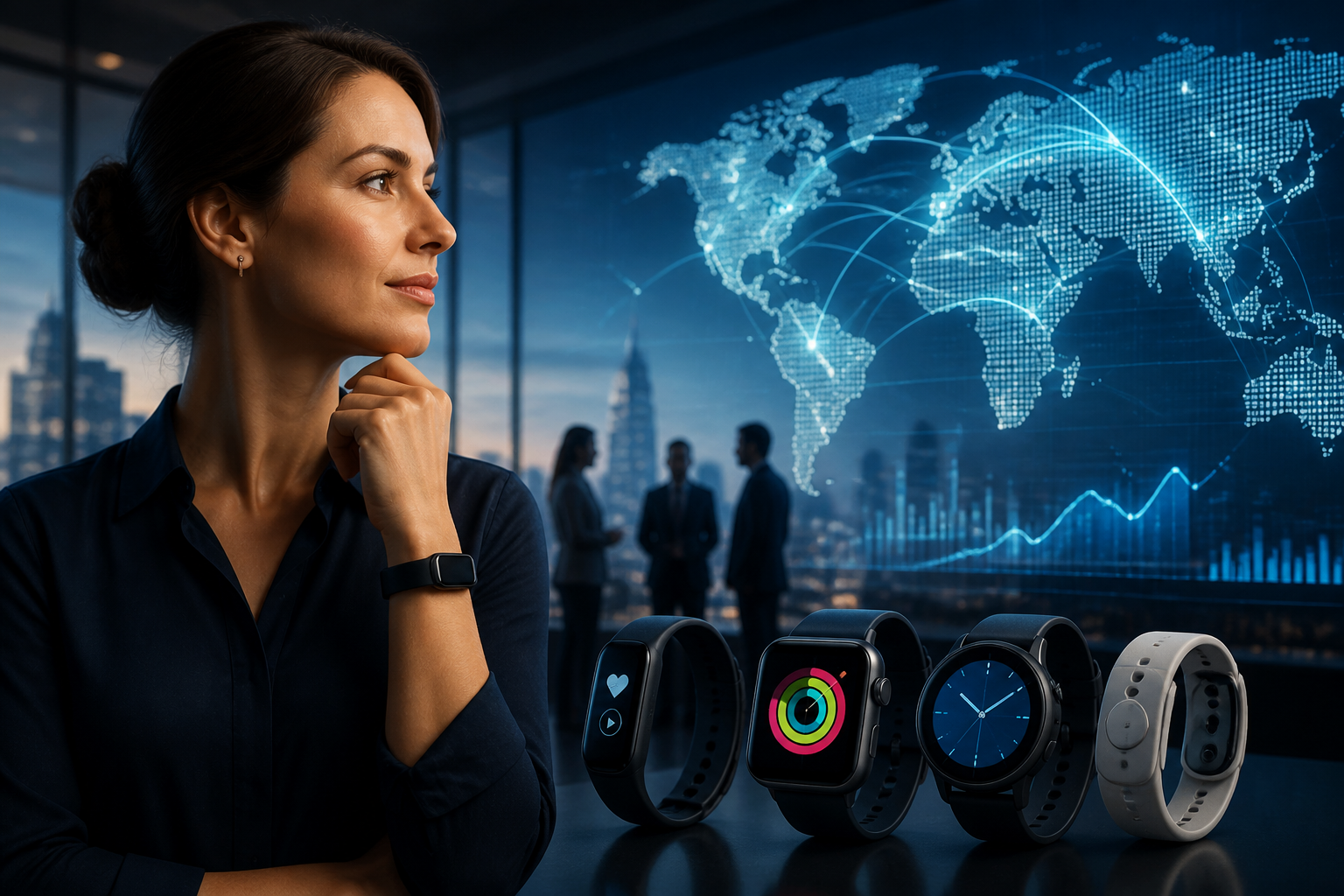
Traditionally, media consumption has been measured through various methods, including diaries and set-top boxes. However, the rise of streaming services, on-demand content, and diverse viewing platforms has made capturing a comprehensive picture of audience behavior increasingly challenging. Wearable technology, such as smartwatches and fitness trackers, offers a new avenue for gathering passive, real-time data on media exposure.
The expanded use of information from partner wearable devices is expected to provide more granular insights into how, when, and where consumers interact with media content. This approach could potentially offer a more complete understanding of co-viewing habits and individual consumption patterns, which are often difficult to discern through traditional methods.
Technological Integration and Data Scope
The integration of wearable data will supplement existing measurement methodologies. The company's goal is to create a more robust and responsive system for gauging audience engagement across a multitude of platforms. This involves leveraging technologies that can passively detect media exposure without requiring active input from viewers.
For instance, certain wearable devices possess capabilities to identify audio signals, which can then be matched against a database of broadcast and streaming content. This passive monitoring helps to identify what media a user is exposed to, even when they are not directly interacting with a primary viewing screen. Such technology holds promise for improving the precision of viewership figures, especially in multi-device households or environments where media consumption is fluid.
Impact on Industry Standards
The enhancements are poised to influence how media value is assessed in the advertising and content industries. Accurate and comprehensive viewership data is critical for advertisers to make informed decisions about their spending and for content creators to understand the reach and impact of their programming. By updating its measurement tools, the firm aims to maintain its relevance and provide a standard for audience insights that reflects current consumption habits.
These developments signify a broader trend within the media measurement sector to adopt advanced technological solutions. The objective is to keep pace with the rapid changes in how digital audiences engage with entertainment and information, ensuring that viewership reporting remains both credible and reflective of actual behavior.
Source: Nielsen is leaning more on wearables to hear what people are watching — The Verge. This article was rewritten by AI; please visit the original publisher for the source reporting.
Comments (0)
Sign in to leave a comment.