Nvidia’s Rubin AI Data Center Design Prioritizes Water and Energy Efficiency
Nvidia unveils its Rubin generation reference design for data centers, focusing on reduced water and energy consumption through liquid cooling technology amidst growing scrutiny of AI infrastructure’s environmental impact.
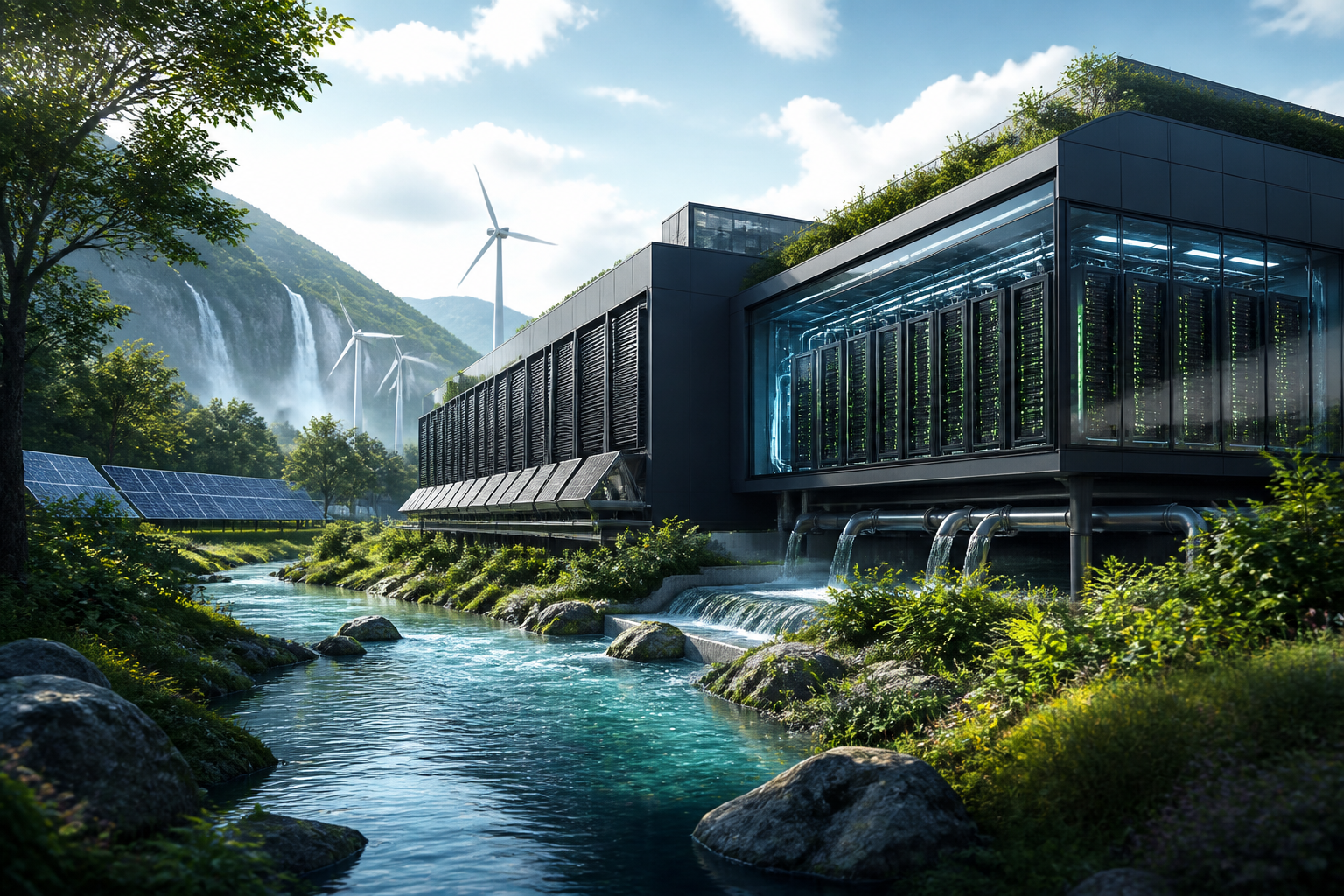
Nvidia has introduced its Rubin generation reference design for data centers, a development aimed at significantly reducing the environmental footprint of artificial intelligence infrastructure. The new design puts a strong emphasis on minimizing both water and energy consumption, key concerns that have increasingly drawn public and regulatory attention.
Liquid Cooling at the Core
The Rubin generation data center design is distinguished by its fully liquid-cooled architecture. This approach deviates from traditional air-cooling methods, which typically necessitate substantial amounts of water for evaporative cooling towers. By adopting a comprehensive liquid-cooling system, Nvidia seeks to mitigate the demand for water resources, a critical issue in regions facing water scarcity.
Hotter Operations, Cooler Impact
Nvidia’s strategy involves operating the data centers at higher internal temperatures than conventional facilities. This seemingly counterintuitive approach is central to their efficiency gains. By allowing the systems to run hotter, the need for aggressive cooling is diminished, leading to a reduction in the overall energy required for chilling. This design philosophy aims to optimize the thermal management process, translating into notable power savings.
Addressing Environmental Scrutiny
The expansion of AI technologies has led to a corresponding increase in demand for data centers, which are energy and water-intensive operations. These facilities play a crucial role in processing the vast amounts of data required for AI models, but their environmental impact has become a point of contention. Nvidia’s Rubin design represents an effort to address these criticisms by offering a more sustainable operational model for future AI infrastructure.
The "Eliminated" Claim
According to Nvidia, the Rubin generation design has "eliminated massive amounts of power usage and pretty much all water usage." While this assertion highlights the significant improvements over existing data center models, it underscores the ongoing advancements in designing more eco-conscious data processing facilities. The claim points to a paradigm shift in how the industry is approaching the environmental challenges associated with its rapid expansion.
Broader Implications for AI Infrastructure
The development of more efficient data center designs like Rubin could have far-reaching implications for the AI industry. As AI integration grows across various sectors, the infrastructure supporting it will need to evolve to meet sustainability standards. Innovations in cooling and power management are vital for ensuring that the progress in AI doesn’t come at an unsustainable environmental cost. This latest design from Nvidia contributes to the industry’s ongoing efforts to balance technological advancement with ecological responsibility.
Source: Nvidia says its AI data center design runs hotter to use a lot less water — The Verge. This article was rewritten by AI; please visit the original publisher for the source reporting.
Comments (0)
Sign in to leave a comment.