Potential Chinese Access to Advanced AI Models Raises National Security Concerns
Reports suggest that potential unauthorized access by entities linked to China to advanced AI models, specifically Anthropic's Mythos, was a contributing factor in recent US export restrictions. This development signals growing concerns within the US government regarding the intellectual property and national security implications of AI technology proliferation.
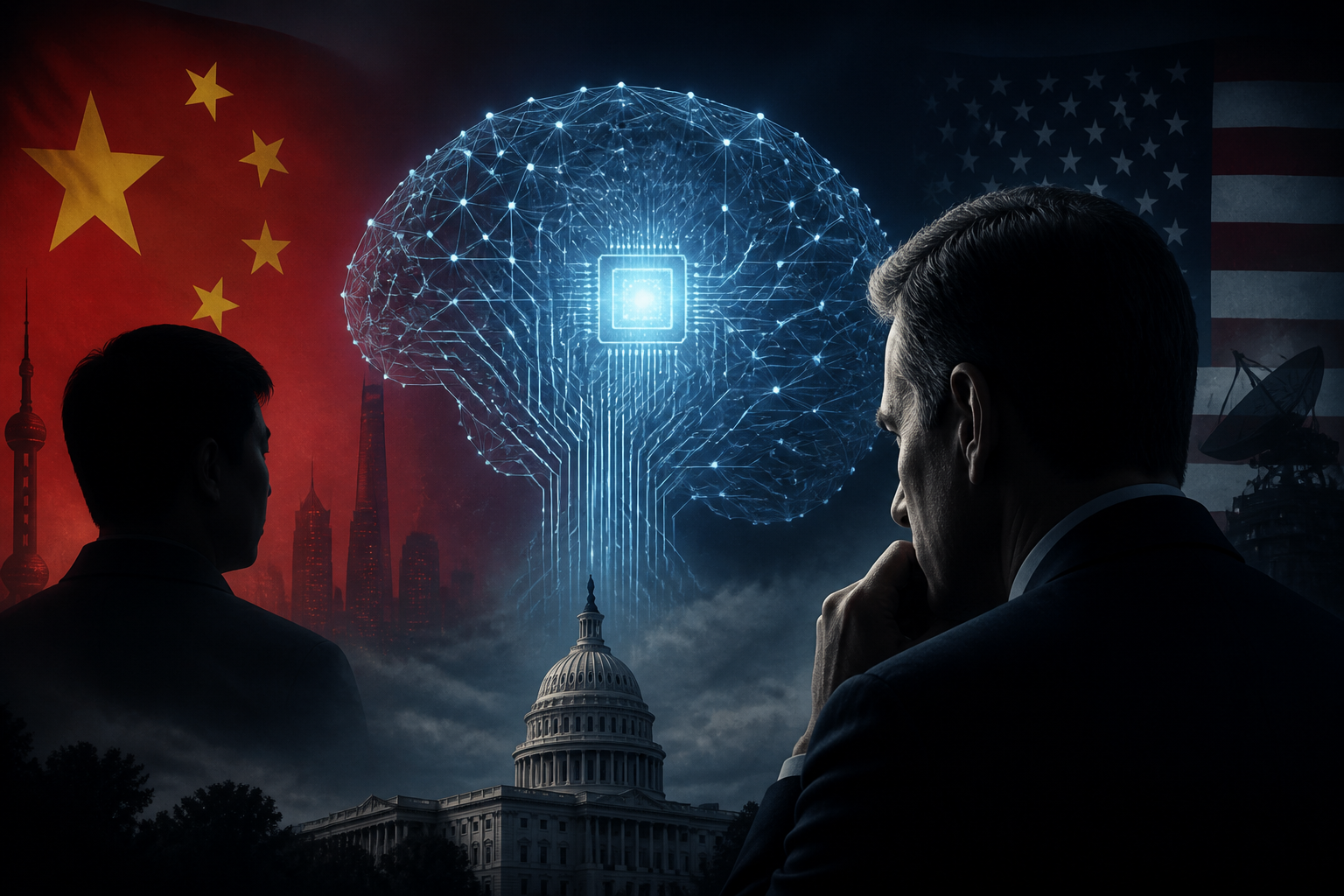
The United States government's recent move to implement export controls on advanced artificial intelligence has been influenced by intelligence indicating potential unauthorized external access to sensitive AI models. Specifically, Anthropic's Mythos 5 model and Fable 5, its predecessor, are at the center of these anxieties.
Concerns Over Foreign Access
Intelligence, reportedly shared with key congressional members and White House officials, pointed to the possibility that an organization with ties to China may have obtained access to these sophisticated AI systems. The revelation of this information is believed to have played a significant role in accelerating the imposition of export restrictions. This suggests a heightened sensitivity within national security circles regarding the control and dissemination of cutting-edge AI.
Implications for National Security
If confirmed, unauthorized access by a foreign government to such advanced AI could have substantial national security ramifications. These models possess capabilities that could be applied in various strategic domains, from sophisticated data analysis to advanced cyber operations. The potential for such technology to fall into the wrong hands is a critical concern for US policymakers.
White House and Congressional Briefings
The White House was reportedly briefed on these findings, which underscored the urgency of addressing potential vulnerabilities in AI intellectual property. Congressional leaders were also reportedly informed, indicating a bipartisan concern over safeguarding American technological advantages. The discussions surrounding these briefings likely emphasized the dual-use nature of advanced AI—its potential for both beneficial civilian applications and military or intelligence exploitation.
The Broader Context of AI Export Controls
The export restrictions on AI models are part of a broader strategy by the US to manage the global proliferation of advanced technologies. This strategy aims to maintain a competitive edge and prevent adversaries from leveraging American-developed innovations for purposes that could undermine US interests. The incident with Mythos 5 and Fable 5 highlights a specific and pressing challenge in this evolving landscape, particularly concerning the safeguarding of highly advanced and potentially transformative AI. The proactive measures taken, such as the export controls, reflect a preemptive approach to mitigate future risks associated with AI technology transfer.
Protecting Intellectual Property in AI
Beyond national security, the incident also underscores the broader challenge of protecting intellectual property in the rapidly evolving field of artificial intelligence. The development of advanced AI models represents significant investment in research and development. The unauthorized diffusion of such models raises questions about the efficacy of existing safeguards and the need for more robust protection mechanisms in a globalized technological environment. The ongoing dialogue concerning these issues will likely shape future policy decisions regarding AI development, deployment, and international collaboration.
Source: China may have accessed Mythos — The Verge. This article was rewritten by AI; please visit the original publisher for the source reporting.
Comments (0)
Sign in to leave a comment.