Startup Aims to Reduce Nuclear Power Costs Through Component Miniaturization
A Y Combinator-backed company is developing technology to significantly cut the cost of nuclear energy by miniaturizing a crucial reactor component, potentially making it more competitive than natural gas.
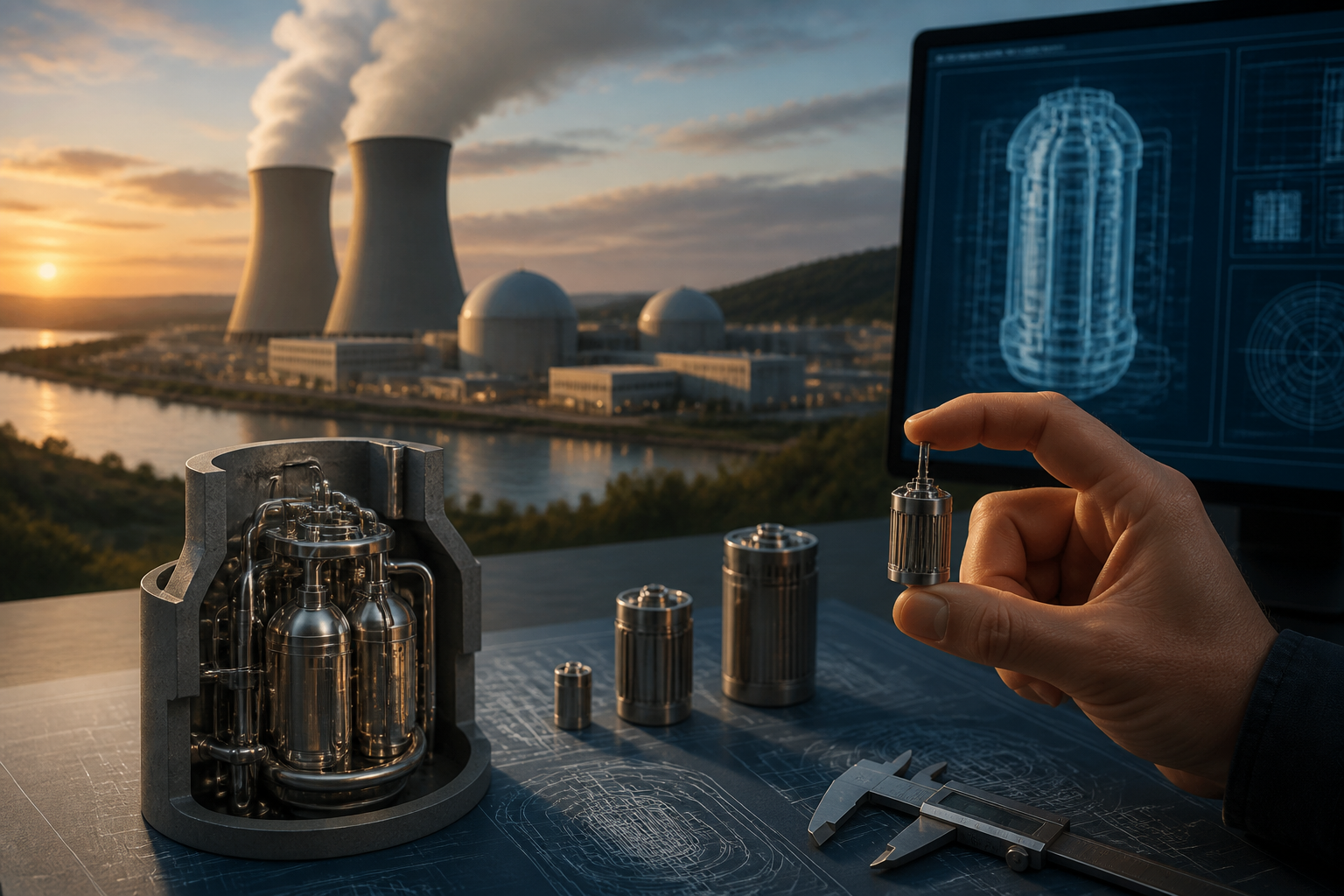
Advancing Nuclear Energy Efficiency
A burgeoning company, emerging from the Y Combinator accelerator program, is focused on a novel approach to reduce the economic overhead associated with nuclear power generation. This initiative centers on the miniaturization of a specific, often overlooked, part within nuclear reactors. The developers assert that this technological advancement could lead to a substantial decrease in the per-unit cost of electricity produced by nuclear facilities.
The Economic Imperative for Cheaper Nuclear Power
Nuclear energy currently provides a significant portion of the world's electricity, celebrated for its low-carbon emissions and high power output. However, its widespread adoption has been hampered by considerable upfront construction costs and the complex regulatory environment surrounding large-scale nuclear plants. The expense of building and maintaining these facilities often makes nuclear power less competitive with other energy sources, particularly natural gas, in certain markets.
Innovations that can drive down these costs are critical for nuclear energy to expand its role in the global energy mix. By targeting specific components for optimization, new companies are seeking to address these economic barriers without compromising safety or efficiency.
The Role of Component Miniaturization
The startup's core strategy involves redesigning and shrinking a particular part of the nuclear reactor system. While the specific component is not detailed, the implication is that its current size and manufacturing complexity contribute significantly to overall reactor costs. By reducing its physical footprint and potentially simplifying its production, the company aims to achieve considerable savings that can then be passed on to the consumer in the form of lower electricity prices.
Miniaturization in engineering often brings multiple benefits beyond just reduced material costs. Smaller components can lead to more compact reactor designs, which might require less extensive containment structures and smaller facility footprints. This could, in turn, lower construction timelines and associated labor costs, further enhancing the economic viability of nuclear power projects.
Potential Impact on Energy Markets
The success of this technology could have profound implications for the energy sector. Should nuclear power become significantly more affordable, potentially surpassing the cost-effectiveness of natural gas, it could accelerate the transition away from fossil fuels. Natural gas, while cleaner burning than coal, still contributes to greenhouse gas emissions, and its price can be subject to significant volatility.
A more cost-effective nuclear option would offer a stable, carbon-free baseload power source, providing energy security and environmental benefits. This development could stimulate renewed investment in nuclear infrastructure and support the development of next-generation reactor designs, including small modular reactors (SMRs), which are also designed with cost and efficiency in mind.
Ultimately, the goal is to make nuclear energy a more attractive and competitive option in the global pursuit of sustainable and affordable electricity.
Source: Apollo Atomics wants to make nuclear power cheaper by shrinking an overlooked part — TechCrunch. This article was rewritten by AI; please visit the original publisher for the source reporting.
Comments (0)
Sign in to leave a comment.