US Regulators Direct Anthropic to Halt Distribution of AI Models
Anthropic, a prominent AI development firm, has recently faced regulatory intervention regarding two of its artificial intelligence models, Claude Fable and Mythos. The US government has issued directives to the company, requesting a cessation in the distribution of these specific AI systems. This development comes amidst ongoing discussions about the responsible deployment and potential vulnerabilities of advanced AI technologies.
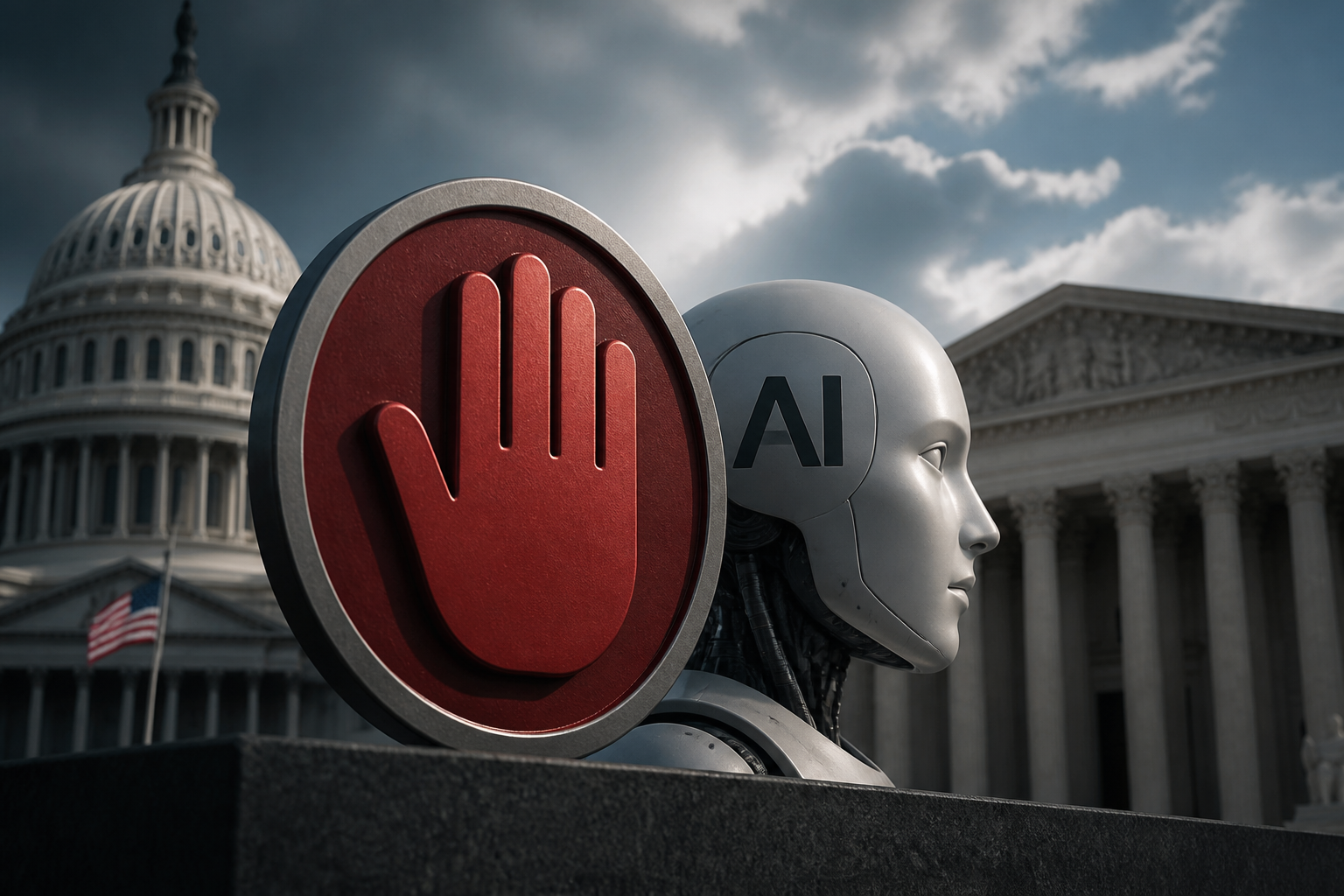
In a recent development impacting the artificial intelligence landscape, the US government has instructed AI developer Anthropic to discontinue the deployment of its Claude Fable and Mythos models. This directive marks a significant move by regulators concerning the rapidly evolving field of AI. Anthropic, a key player in the AI research and development sector, has confirmed the government's request regarding these two particular systems.
The core of the government's concern reportedly centers on a vulnerability identified within the Claude Fable and Mythos models. While specific details of this vulnerability have not been publicly elaborated by regulatory bodies, the action underscores a growing governmental focus on the safety and security aspects of AI technologies.
Industry-Wide Vulnerability Claimed by Anthropic
Anthropic has voiced its disagreement with the governmental mandate, characterizing the order as an overreach of regulatory authority. The company has publicly stated that the type of vulnerability identified in its models is not unique to Claude Fable and Mythos, but rather is a widespread characteristic across the artificial intelligence industry. This assertion by Anthropic suggests a broader challenge in AI development and deployment, where certain vulnerabilities might be inherent to the current state of the technology.
The firm's response highlights a potential tension between the pace of AI innovation and the speed of regulatory oversight. As AI models become more sophisticated and integrated into various sectors, the question of who defines and addresses acceptable risk levels becomes increasingly pertinent. Anthropic's argument implies that singling out specific models for a vulnerability that is common across the industry might be an inconsistent application of regulatory power.
Implications for AI Development and Regulation
This incident could have several ripple effects within the AI community and regulatory frameworks. It brings to the forefront discussions about:
- Standardization of AI Safety: The event may accelerate calls for standardized safety protocols and vulnerability assessments across all AI development.
- Regulatory Scope: It could lead to clearer definitions of governmental authority and intervention points in the AI development lifecycle.
- Industry Collaboration: The shared nature of the vulnerability, as claimed by Anthropic, might encourage greater collaboration among AI developers to address systemic issues.
- Public Trust: Incidents of this nature invariably impact public perception of AI, making transparent communication and responsible development even more critical.
The cessation of the Claude Fable and Mythos models, even if temporary, represents a notable instance of government intervention in the private development of AI. While Anthropic pushes back on the premise of the order, the situation underscores the increasing scrutiny that advanced AI systems are attracting from governmental agencies concerned with their potential impact and security.
Source: US Government Orders Anthropic to Pull Claude Fable, Mythos AI Models — Decrypt. This article was rewritten by AI; please visit the original publisher for the source reporting.
Comments (0)
Sign in to leave a comment.