US Sanctions Iranian Cryptocurrency Exchanges
The United States has imposed sanctions on several Iranian cryptocurrency exchanges and associated individuals, citing their alleged involvement in illicit activities and links to designated terrorist organizations. This action is part of a broader effort to counter financial illicit activities originating from the region.
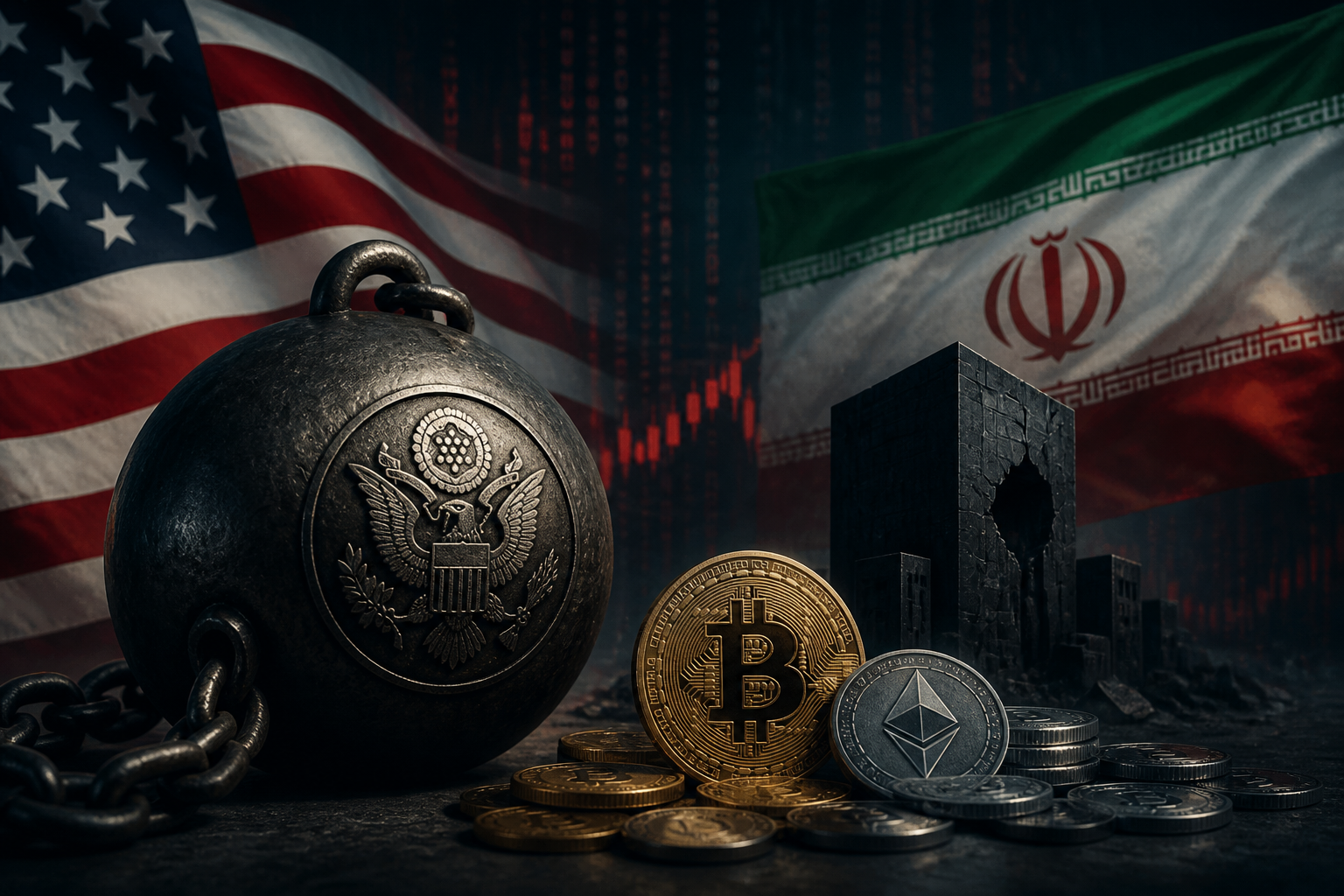
The U.S. Department of the Treasury's Office of Foreign Assets Control (OFAC) recently announced sanctions against multiple cryptocurrency exchanges operating within Iran. Nobitex, along with three other digital asset platforms, and several executives associated with these entities, have been blacklisted. The rationale behind these measures stems from accusations of their involvement in illicit financial activities and alleged connections to designated terrorist groups.
Targeted Entities and Individuals
Among the entities singled out is Nobitex, which has been identified as a significant player in the Iranian cryptocurrency market. The sanctions extend to three other exchanges, though their specific names were not immediately disclosed in initial reports. In addition to the corporate entities, several high-ranking personnel within these organizations have also been personally sanctioned, underscoring a deliberate attempt to disrupt their operations and financial networks.
Rationale Behind the Sanctions
OFAC explicitly stated that these actions are predicated on findings that the sanctioned exchanges and individuals have facilitated transactions for groups designated as terrorist organizations. The U.S. government maintains that these platforms have played a role in funding and supporting activities deemed detrimental to international security. Furthermore, the sanctions address broader concerns regarding money laundering, fraud, and other financial crimes believed to be perpetrated through these cryptocurrency channels.
Implications for the Crypto Landscape
The imposition of these sanctions highlights the increasing scrutiny that governments worldwide are placing on the cryptocurrency sector. It signals a continued effort by regulatory bodies to combat the use of digital assets for illicit purposes. While advocates for cryptocurrency often emphasize its potential for financial inclusion and innovation, regulatory bodies frequently raise concerns about its potential exploitation for sanctions evasion, terrorism financing, and other illegal activities. This move by the U.S. government reinforces the challenges faced by the global cryptocurrency industry in balancing innovation with regulatory compliance.
Broader Context of Enforcement
These actions are not isolated but rather form part of an ongoing strategy by the United States to exert financial pressure on targeted nations and entities. The use of sanctions as a foreign policy tool is well-established, and its application to the cryptocurrency domain reflects an adaptation to evolving financial technologies. The U.S. Treasury has consistently warned about the risks associated with cryptocurrency transactions in jurisdictions under sanctions, and these latest measures are a direct consequence of those warnings. The international community will likely continue to monitor similar developments as governments grapple with the complexities of regulating a decentralized financial ecosystem.
Source: U.S. sanctions Iranian crypto exchanges in ongoing war against the country — CoinDesk. This article was rewritten by AI; please visit the original publisher for the source reporting.
Comments (0)
Sign in to leave a comment.