Zcash Vulnerability Unveils Complexities of Blockchain Privacy
A critical bug in the Zcash protocol, which allowed for the undetectable creation of counterfeit currency, has brought to light the inherent challenges and trade-offs associated with privacy in blockchain technology, according to expert analysis.
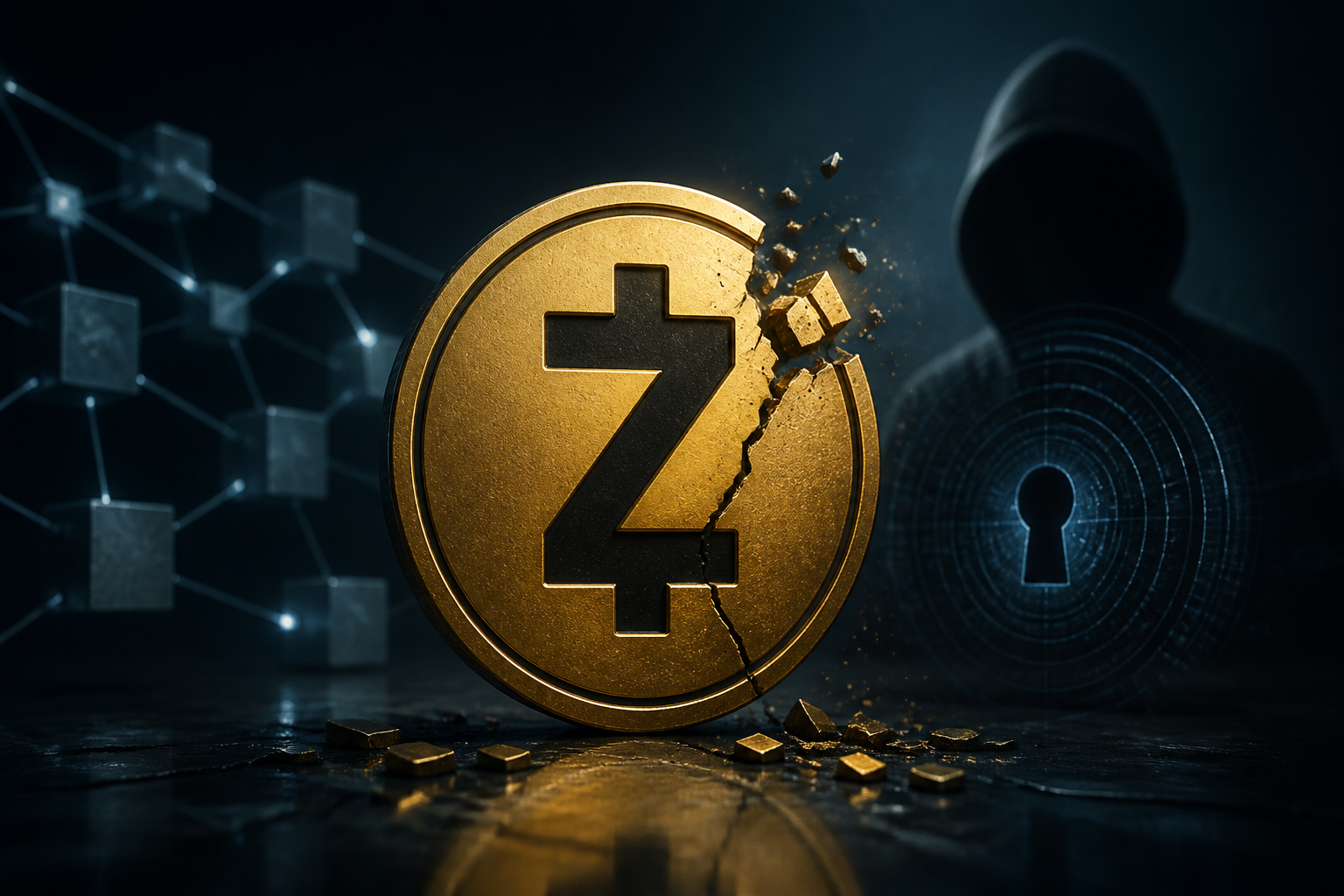
The recent discovery of a severe vulnerability within the Zcash cryptocurrency protocol has initiated discussions among blockchain experts regarding the intricate balance between user privacy and network security. This flaw, which remained undetected for an extended period, could have allowed malicious actors to generate illegitimate Zcash tokens without leaving any discernible trace on the blockchain, thereby compromising the integrity of the entire system.
The Nature of the Undetected Flaw
The exploit centered on a specific function within the Zcash protocol designed to enhance transactional privacy. While the technical specifics of the bug are complex, its potential impact was straightforward: an attacker could have minted new Zcash units that would appear legitimate to the network but were, in fact, entirely fabricated. Crucially, the very privacy features that Zcash prides itself on made the detection of such counterfeiting exceedingly difficult, if not impossible, through standard auditing mechanisms.
Implications for Blockchain Privacy Models
This incident has prompted a re-evaluation of how privacy features are implemented in decentralized financial systems. Experts suggest that while privacy is a cornerstone of many blockchain projects, the Zcash situation highlights a critical dilemma. When transactions are entirely opaque, the ability to verify the authenticity and supply of a digital asset can be severely hampered. This creates a challenging environment for maintaining trust and preventing illicit activities like counterfeiting.
Conversely, without robust privacy, users may face surveillance or censorship, undermining another core tenet of decentralized systems. The Zcash bug underscores that designing effective privacy solutions requires careful consideration of potential attack vectors and the need for verifiable integrity, even in a private environment.
Expert Perspectives on the Trade-offs
Analysts in the blockchain space have begun to weigh in, pointing out that the pursuit of absolute privacy can inadvertently introduce new vulnerabilities for a network. The argument is that while privacy shields legitimate users, it can also provide cover for bad actors. The challenge lies in developing cryptographic protocols that offer strong privacy guarantees while simultaneously enabling mechanisms for auditing and maintaining the health of the network, perhaps through zero-knowledge proofs or other advanced cryptographic techniques that allow for verification without revealing underlying data.
Moving Forward: Enhanced Security and Auditing
In the wake of the discovery, the Zcash development team took decisive action to patch the vulnerability. This experience is likely to influence future developments in privacy-focused cryptocurrencies, leading to more rigorous security audits and design methodologies that anticipate and mitigate such complex attack vectors. The incident serves as a significant case study, demonstrating that even sophisticated cryptographic designs can harbor unforeseen flaws, emphasizing the continuous need for vigilance and innovation in the pursuit of secure and private digital currencies.
Source: Zcash Bug Crisis Shows Privacy Cuts Both Ways, Experts Say — Decrypt. This article was rewritten by AI; please visit the original publisher for the source reporting.
Comments (0)
Sign in to leave a comment.